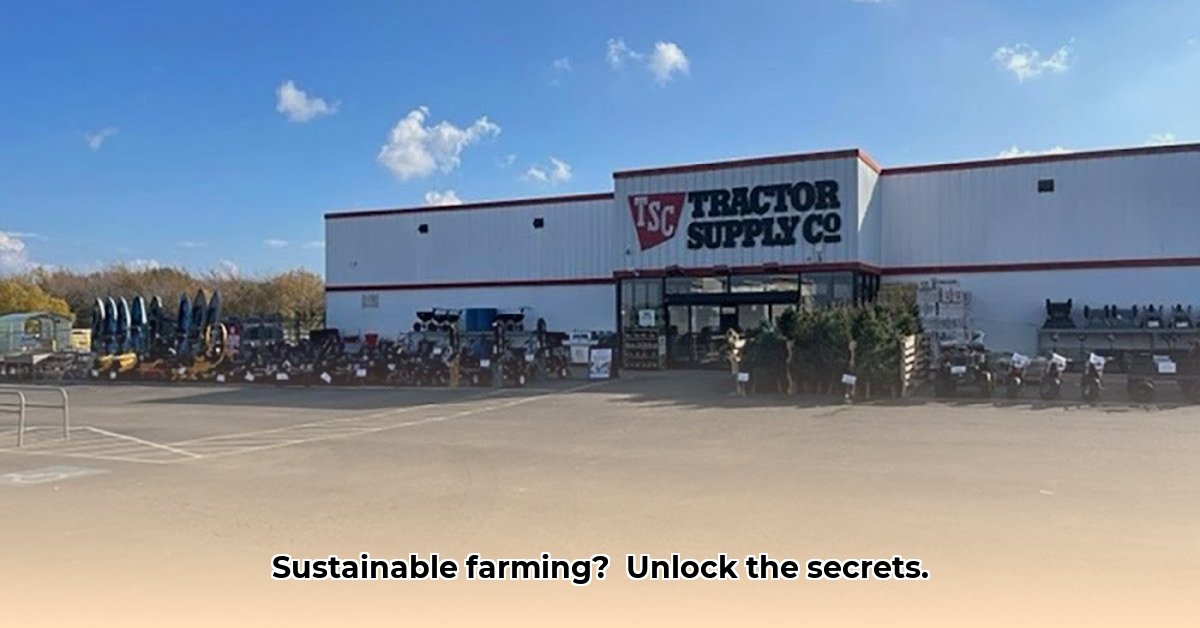
Tractor Supply Company and Sustainable Agriculture: An Untapped Potential
Tractor Supply Company (TSC) holds a significant position within the agricultural landscape, serving farmers and ranchers across the nation. With the increasing global focus on sustainable agricultural practices – methods that minimize environmental impact while ensuring long-term food security – TSC possesses an untapped potential to contribute meaningfully to this vital shift. However, a critical lack of publicly available data regarding TSC's specific sustainability initiatives prevents a comprehensive assessment of their current role. For more local TSC information, check out this example page. This article explores this potential, highlighting both the opportunities and challenges TSC faces in transitioning towards a more sustainable business model.
The Untapped Potential: Meeting Market Demand for Sustainable Practices
Consumer demand for sustainably produced food is rapidly escalating. Consumers are increasingly aware of the environmental and social implications of their food choices, driving a surge in demand for products grown using environmentally friendly methods. This presents a significant market opportunity for TSC. By strategically expanding their offerings to include a wider range of sustainable products and actively promoting sustainable farming practices, TSC could capture a substantial share of this growing market. This includes offering organic seeds, sustainable fertilizers, and water-efficient irrigation systems. But achieving this requires more than just stocking new products; it necessitates a comprehensive approach across the entire supply chain.
The Current Reality: A Transparency Gap
A major obstacle hindering a complete evaluation of TSC's contribution to sustainable agriculture is the lack of readily available, detailed information regarding their sustainability efforts. Publicly accessible data concerning TSC's sustainable product selection, supply chain practices, and social responsibility initiatives is currently limited. This lack of transparency makes it challenging to assess their actual commitment to sustainability and their progress toward achieving environmentally responsible operations. This information gap undermines the ability to fully evaluate TSC’s contribution to sustainable farming.
Challenges and Opportunities: Navigating the Path to Sustainability
TSC faces several substantial challenges in adopting a more sustainable business model. These include the complexities of restructuring their supply chain to prioritize sustainable sourcing, educating farmers and ranchers about the benefits and practical implementation of sustainable practices, and addressing the often higher upfront costs associated with sustainable products. However, these challenges are offset by substantial opportunities. By embracing sustainability, TSC can solidify its market leadership, enhance its brand reputation, and drive innovation within the agricultural sector. A strong commitment to sustainability could translate into a significant competitive advantage.
Actionable Steps: A Roadmap for Sustainable Growth
To effectively contribute to sustainable agriculture, TSC must take concrete, proactive steps. These actions can be categorized by stakeholder:
TSC Management: Conduct a comprehensive sustainability assessment and publicly commit to specific, measurable goals. Develop a detailed roadmap with clear timelines for implementation, including targets for reducing carbon emissions, water usage, and waste. Regularly publish progress reports to maintain transparency.
TSC Suppliers: Collaborate with suppliers committed to sustainable practices, prioritizing those employing eco-friendly materials and production methods. Work collaboratively to develop new sustainable product lines.
Consumers & Farmers: Invest in educational resources, such as workshops and online materials, to educate farmers and consumers on sustainable farming practices. Clearly label products highlighting their sustainability features.
Investors: Provide detailed reports on environmental, social, and governance (ESG) performance to attract investors who prioritize sustainability.
Government Agencies: Engage with government agencies to explore potential grants and funding opportunities for sustainable initiatives.
Call to Action: Promoting Transparency and Collaboration
TSC must prioritize greater transparency regarding its sustainability practices. This increased openness would foster trust amongst consumers, farmers, and investors alike. Furthermore, a collaborative effort involving TSC, farmers, consumers, and government agencies is essential to driving widespread adoption of sustainable agricultural methods. The future of sustainable farming hinges on a collective commitment to environmentally responsible practices.
Conclusion: A Shared Responsibility for a Sustainable Future
Tractor Supply Company possesses the potential to act as a significant catalyst for change within the agricultural sector. By embracing sustainability, TSC can enhance its business performance while simultaneously contributing to a healthier planet. This requires a proactive approach characterized by transparency, collaboration, and a steadfast commitment to implementing concrete, measurable actions. The path towards a sustainable future in agriculture is a shared responsibility, requiring the collective efforts of all stakeholders.